US–Iran Indirect Talks 2026: A New Diplomatic Channel Amid Conflict
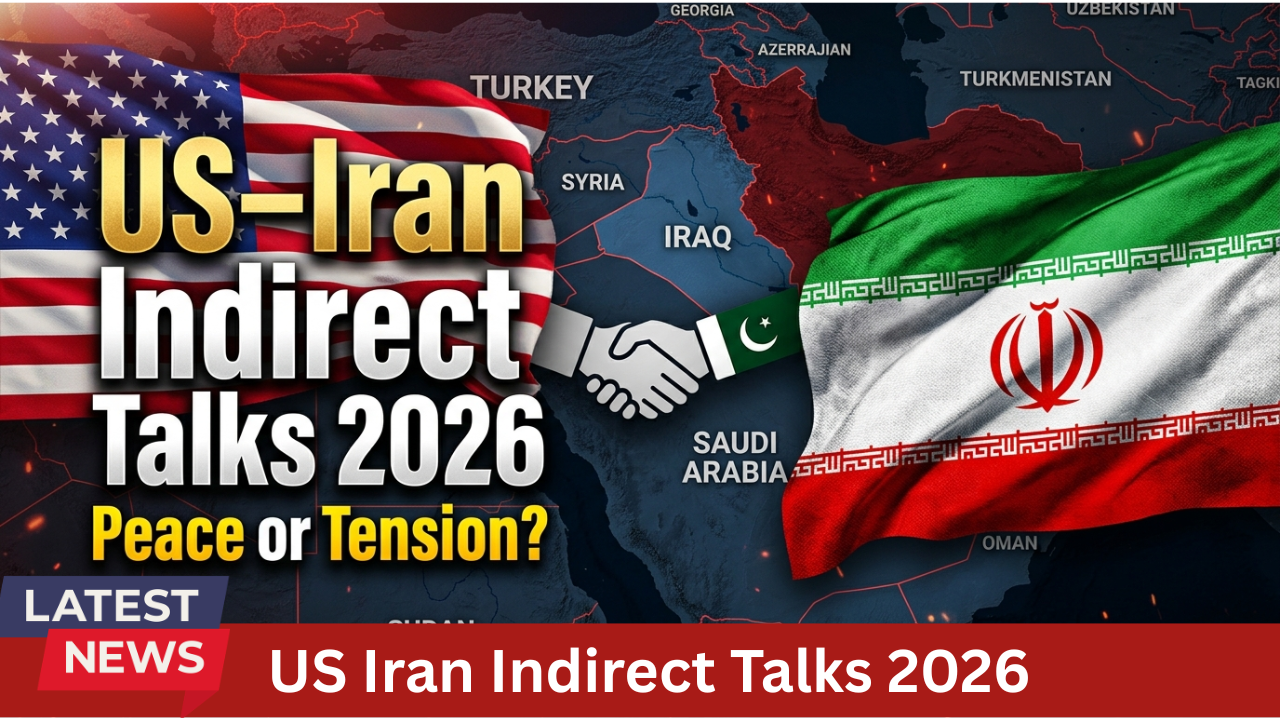
US Iran indirect talks are becoming a major focus of global diplomacy in 2026 as tensions continue to rise in the Middle East. The United States and Iran are communicating through intermediaries like Pakistan to avoid direct confrontation and explore possible solutions for peace. These indirect negotiations highlight the importance of diplomatic channels during times of conflict. The geopolitical landscape of the Middle East is witnessing a crucial shift as US–Iran indirect talks gain momentum in 2026. With tensions escalating in the region, both countries are engaging in diplomacy through intermediaries rather than direct negotiations. This development reflects a cautious yet important step toward de-escalation.
Recent reports confirm that Pakistan is playing a central role in facilitating communication between Washington and Tehran, acting as a diplomatic bridge in a highly sensitive environment.
What Are US–Iran Indirect Talks?
Indirect talks occur when two countries communicate through a third party instead of meeting face-to-face. This method is commonly used when diplomatic relations are strained or non existent.
In the current situation:
- The United States has sent a 15-point proposal to Iran
- Iran has reviewed and responded with concerns
- Communication is being relayed through Pakistan and other mediators
According to Reuters, the proposal aims to reduce tensions and potentially open the door for broader negotiations.
🌍 Pakistan’s Role as a Key Mediator
Pakistan has emerged as a major diplomatic player in these negotiations. Officials have confirmed that Islamabad is acting as a backchannel between the US and Iran.
- Messages are being exchanged via Pakistani officials
- Pakistan has offered to host direct talks if both sides agree
- Other countries like Turkey and Egypt are also supporting the process
This mediation effort highlights Pakistan’s growing importance in global diplomacy. The ongoing US Iran indirect talks are focused on resolving key issues such as nuclear policy and regional stability.
📑 Key Issues in the Negotiations
The indirect talks are focused on several major issues that have defined US–Iran tensions for decades:
1. Ceasefire and Conflict De-escalation
The immediate goal is to reduce military escalation in the region and prevent a broader war.
2. Nuclear Program
Iran’s nuclear activities remain a central issue. Previous indirect talks in Oman also focused heavily on this topic.
3. Economic Sanctions
Iran is demanding relief from US sanctions, which have severely impacted its economy.
4. Regional Influence
The US wants Iran to limit its influence in regional conflicts, while Iran seeks recognition of its strategic role.
Challenges Facing the Talks
Despite ongoing communication, several obstacles are slowing progress:
- Lack of trust: Decades of hostility make negotiations fragile
- One-sided concerns: Iran has criticized the US proposal as unfair
- No direct dialogue: Absence of face-to-face talks limits progress
An Iranian official described the US proposal as “one-sided,” though diplomacy is still possible.
Signs of Progress in Diplomacy
Even with disagreements, there are encouraging developments:
- Iran has not rejected talks completely
- Counter-proposals have been submitted
- Mediators continue active engagement
Earlier rounds of indirect talks, especially those mediated by Oman, showed “significant progress,” indicating that diplomacy can work even under tension.
👉 Read official news:
These talks aim to reduce conflict and explore possible peace solutions.
Global Impact of US–Iran Indirect Talks
The outcome of these talks could affect not only the Middle East but the entire world:
- Oil Prices: Stability in the region impacts global energy markets
- Security: Reduced tensions lower the risk of wider conflict
- Diplomacy: Success could set an example for resolving global disputes
The situation remains critical, as continued conflict could disrupt key global trade routes and economic stability.
FAQs (Frequently Asked Questions)
❓ Why are the US and Iran not holding direct talks?
Due to long-standing political tensions and lack of diplomatic relations, both countries rely on intermediaries.
❓ Who is mediating the talks?
Pakistan is the main mediator, with support from countries like Turkey, Egypt, and previously Oman.
❓ What is the 15-point US proposal?
It is a diplomatic plan aimed at reducing tensions, including security, nuclear, and economic aspects.
❓ Has Iran accepted the proposal?
No, Iran has criticized it as unfair but has not closed the door to negotiations.
❓ Can these talks lead to peace?
While uncertain, continued indirect communication increases the chances of de-escalation.
Conclusion
The US–Iran indirect talks in 2026 represent a critical attempt to prevent further escalation in an already volatile region. While challenges such as mistrust and conflicting demands persist, the involvement of mediators like Pakistan offers hope for a diplomatic solution.
Indirect diplomacy may not deliver immediate results, but it plays a vital role in keeping communication alive. As both nations continue to exchange proposals, the world watches closely, hoping these efforts lead to stability and peace.