
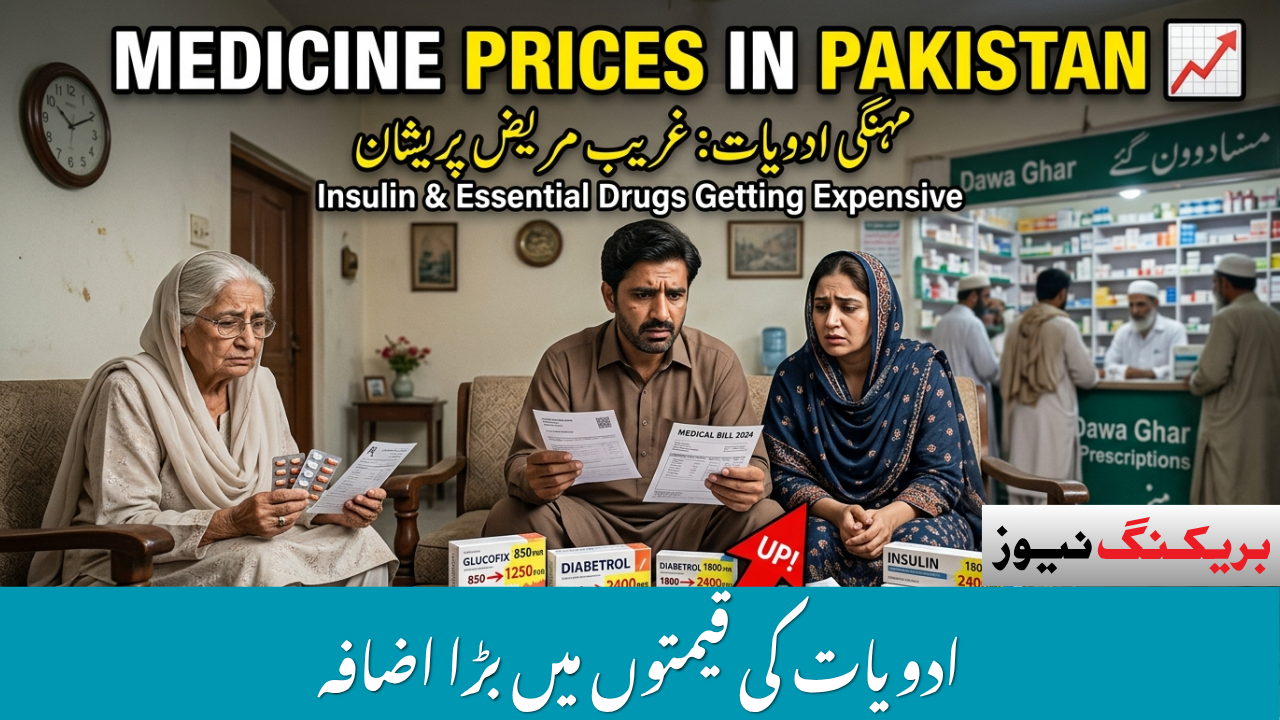
The medicines price increase in Pakistan has become a serious public health and economic issue. Over the past few years, the cost of essential medicines has risen significantly, affecting millions of patients who depend on daily treatments for chronic and life-threatening conditions.
From antibiotics to diabetes medications, blood pressure drugs, and cancer treatments, almost every category of medicine has seen price fluctuations. This situation is especially difficult for low-income families who already struggle with basic living expenses.
Why Medicines Price Increase in Pakistan Is Happening
The medicines price increase in Pakistan is driven by several economic and structural factors:
1. Currency Devaluation
The Pakistani rupee has weakened against major global currencies, increasing the cost of imported raw materials used in pharmaceutical production.
2. Import Dependency
Many essential drugs and their active pharmaceutical ingredients (APIs) are imported. Any rise in international prices directly impacts local medicine costs.
3. Inflation
High inflation in Pakistan has increased transportation, packaging, and production costs for pharmaceutical companies, forcing price adjustments.
4. Regulatory Price Adjustments
Occasional approvals of price increases by regulatory authorities have also contributed to rising medicine costs.
5. Supply Chain Issues
Global supply chain disruptions have made it harder to maintain consistent drug availability, resulting in price increases in some categories.
Also Read:
PM Fan Replacement Program 2026: Energy Efficient Fan Scheme in Pakistan
WhatsApp Channel Link:
https://whatsapp.com/channel/0029Vb7drdQL2AU5NODWlX3U
Impact of Medicines Price Increase in Pakistan on Patients
The medicines price increase in Pakistan is having a direct impact on public health:
- Patients are unable to afford regular treatments
- Many families are forced to choose between healthcare and other necessities
- Chronic disease patients face increased risk of complications
- Rural populations suffer more due to limited healthcare access
- Hospital visits and emergency cases are increasing
Essential medicines like insulin, heart medications, and antibiotics are becoming harder for many patients to purchase regularly, leading to worsening health conditions.
Government Efforts and Challenges
The government of Pakistan, through the Drug Regulatory Authority of Pakistan (DRAP), is responsible for regulating medicine prices. However, controlling the medicines price increase in Pakistan remains a difficult challenge.
While some price controls exist, pharmaceutical companies argue that rising production and import costs make adjustments necessary to sustain supply. This creates a balance issue between affordability and market sustainability.
Public health experts have called for stronger reforms, better monitoring, and increased transparency in pricing decisions.
Possible Solutions
To address the rising cost of medicines, several long-term solutions can help:
- Encouraging local manufacturing of pharmaceutical raw materials
- Providing subsidies on essential medicines
- Expanding public healthcare programs
- Strengthening price regulation policies
- Introducing health insurance coverage for chronic diseases
- Improving supply chain efficiency
These steps can help reduce the burden of the medicines price increase in Pakistan and improve access to essential healthcare.
Conclusion
The medicines price increase in Pakistan is a growing concern that affects millions of patients across the country. Without immediate and effective policy actions, access to essential healthcare may become even more difficult for vulnerable populations. A coordinated effort between government authorities, pharmaceutical companies, and healthcare providers is essential to ensure affordable and accessible treatment for all citizens.
Disclaimer
This article is for informational purposes only and does not provide medical or financial advice. Always consult a qualified healthcare professional for diagnosis and treatment.
Official Website Link
FAQs
Q1: Why are medicine prices increasing in Pakistan?
Due to inflation, currency devaluation, import dependency, and rising production costs.
Q2: Which authority controls medicine prices in Pakistan?
The Drug Regulatory Authority of Pakistan (DRAP) regulates medicine pricing.
Q3: Which medicines are most affected?
Chronic disease medicines like insulin, heart medications, and antibiotics are most affected.
Q4: Can medicine prices be reduced?
Yes, through local production, subsidies, and stronger government regulations.
Related posts:
 Rana Amir Latif Advocate Murder Sargodha – Lawyer Killed Inside Kachehri Chamber 2026
 Punjab Wheat Procurement Price 2026 Set at Rs. 3,500 per 40 kg (Maund)
 Pakistan Navy Anti-Ship Missile Test: Pakistan Navy Successfully Test-Fires Advanced Missile
 Pakistan Economic Growth Target 4% – Pakistan Economic Growth Target 2026 Explained
1 thought on “Medicines Price Increase in Pakistan: Rising Costs and Public Health Concerns 2026”