
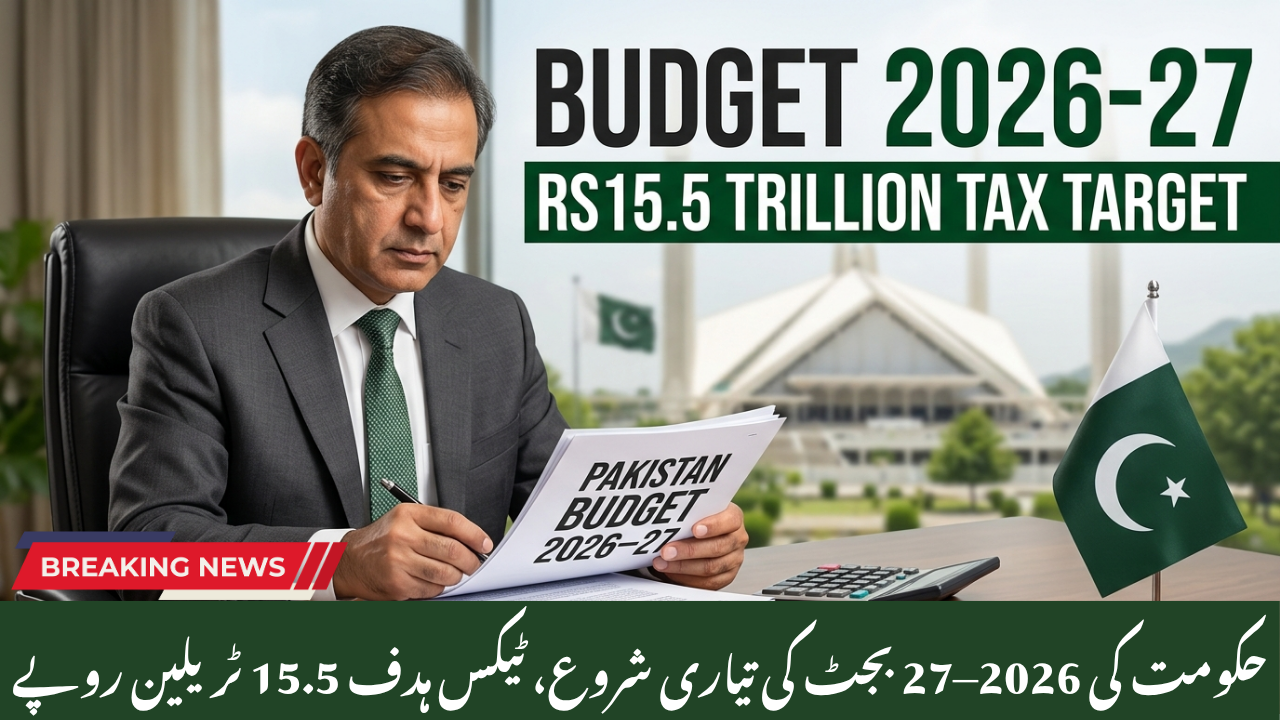
Pakistan Budget 2026–27 Tax Target: Rs15.5 Trillion Explained
Pakistan is preparing its much-anticipated Pakistan Budget 2026–27, with ambitious economic targets aimed at stabilizing and growing the national economy. The government has set a GDP growth target of 5.1% along with a massive tax collection goal of over Rs15.5 trillion. These figures reflect a strong push toward fiscal consolidation, economic recovery, and long-term sustainability.
Economic Context Behind the Pakistan Budget 2026–27
The upcoming budget is being drafted under challenging circumstances. Pakistan’s economy has faced persistent issues such as inflation, currency depreciation, and external debt pressures. Additionally, global uncertainties—especially tensions in the Middle East—have further complicated economic planning.
Despite these challenges, policymakers are optimistic. The 5.1% GDP growth target signals confidence in key sectors such as agriculture, industry, and services. However, achieving this target will require structural reforms, investment inflows, and improved governance.
Tax Collection Target: Rs15.5 Trillion
One of the most striking features of the Pakistan Budget 2026–27 is the tax revenue target. The government aims to collect over Rs15.5 trillion, which represents a significant increase compared to previous years.
To achieve this, authorities are expected to:
- Expand the tax base
- Crack down on tax evasion
- Digitize tax systems
- Introduce new tax measures in under-taxed sectors
While these measures could strengthen public finances, they may also place additional burden on businesses and salaried individuals if not implemented carefully.
Also Read: Punjab Rs 191 Billion Housing Scheme 2026 – Eligibility, Apply & Benefits
Summary of Pakistan Budget 2026–27
| Category | Details |
|---|---|
| Budget Year | 2026–27 |
| Focus Keyword | Pakistan Budget 2026–27 |
| GDP Growth Target | 5.1% |
| Tax Collection Target | Rs15.5 Trillion |
| Key Objective | Economic growth and fiscal stability |
| Major Challenges | Inflation, global instability, energy prices |
| Key Sectors | Agriculture, Industry, IT, Energy |
| Expected Measures | Tax reforms, subsidies, digitalization |
| Impact on Public | Possible price changes, relief measures expected |
Pakistan Budget 2026–27 Impact on Inflation and Citizens
A key concern for citizens is how the budget will affect daily life. Pakistan has been grappling with high inflation, particularly in food and energy prices.
If the government increases indirect taxes (such as sales tax), it could lead to:
- Higher cost of living
- Increased utility bills
- Reduced purchasing power
On the other hand, targeted subsidies and relief measures could help cushion the impact on lower-income groups.
Sector-Wise Expectations
1. Agriculture:
Agriculture remains the backbone of Pakistan’s economy. The budget is expected to include incentives such as subsidies on fertilizers, seeds, and agricultural machinery to boost productivity.
2. Industry:
Industrial growth is essential for achieving the GDP target. Tax incentives, reduced import duties on raw materials, and support for small and medium enterprises (SMEs) are likely to be part of the plan.
3. IT and Exports:
The government may continue promoting the IT sector and exports through tax relief and policy support, aiming to increase foreign exchange earnings.
4. Energy Sector:
Given the ongoing energy crisis, reforms in electricity pricing and fuel subsidies are expected. However, balancing affordability and fiscal responsibility will be a major challenge.
Role of International Institutions
Pakistan’s budget strategy is often influenced by agreements with international financial institutions such as the International Monetary Fund. Any ongoing or future programs may require fiscal discipline, reduction in subsidies, and increased revenue generation.
This means the government must strike a balance between meeting international commitments and providing relief to its citizens.
Challenges Ahead Pakistan Budget 2026–27
While the targets are ambitious, several challenges remain:
- Political uncertainty
- Global economic instability
- Rising oil prices
- Weak tax compliance culture
Achieving a 5.1% growth rate will require consistent policy implementation and economic stability throughout the fiscal year.
Opportunities for Growth
Despite the hurdles, the Pakistan Budget 2026–27 also presents opportunities:
- Digital transformation of the economy
- Expansion of export markets
- Increased foreign direct investment (FDI)
- Infrastructure development
If managed effectively, these factors could help Pakistan move toward sustainable economic growth.
WhatsApp Channel Link:
https://whatsapp.com/channel/0029Vb7drdQL2AU5NODWlX3U
Official Website
For official updates and detailed budget documents, visit:
Ministry of Finance Pakistan: https://www.finance.gov.pk
FAQs
1. What is the GDP growth target for Pakistan Budget 2026–27?
The government has set a GDP growth target of 5.1%.
2. What is the tax collection target?
The tax target is over Rs15.5 trillion.
3. Will the budget increase taxes?
There is a possibility of new tax measures to meet revenue targets, but details will be confirmed in the final budget.
4. How will the budget affect inflation?
It may increase inflation if indirect taxes rise, but relief measures could offset some impact.
5. Which sectors will benefit the most?
Agriculture, industry, IT, and exports are expected to receive significant attention.
Conclusion
The Pakistan Budget 2026–27 reflects a bold attempt to steer the economy toward growth and stability. With a 5.1% GDP target and Rs15.5 trillion tax goal, the government is aiming high. However, the real test lies in implementation. Balancing revenue generation with public relief will determine whether this budget succeeds in delivering sustainable economic progress.
Disclaimer
This article is for informational purposes only. Economic projections and policy expectations are based on current reports and may change once the official budget is announced. Readers are advised to consult official government sources for final details.
Related posts:
 Rana Amir Latif Advocate Murder Sargodha – Lawyer Killed Inside Kachehri Chamber 2026
 Pakistan Economic Growth Target 4% – Pakistan Economic Growth Target 2026 Explained
 Pakistani Cofounder Sualeh Asif Hits Billionaire Status at 26 with AI Startup Cursor
 Punjab Govt Imposes Dog Registration and Vaccination Rules: A Step Toward Public Safety